
Interlude I: The Sovereigns of the Nullzenith
Canada had always worn its vastness like a promise, a wide quiet that made people believe the world could be negotiated through distance, through polite routines, through laws that stayed put because nobody challenged them hard enough. On the morning the Sovereigns arrived, that promise did not shatter like a dramatic disaster you could point at and name. It simply lost its status. The nation’s breadth became irrelevant in the presence of something that treated scale as a childish superstition, and treated safety as a kind of prayer spoken by people who didn’t know they were already kneeling.
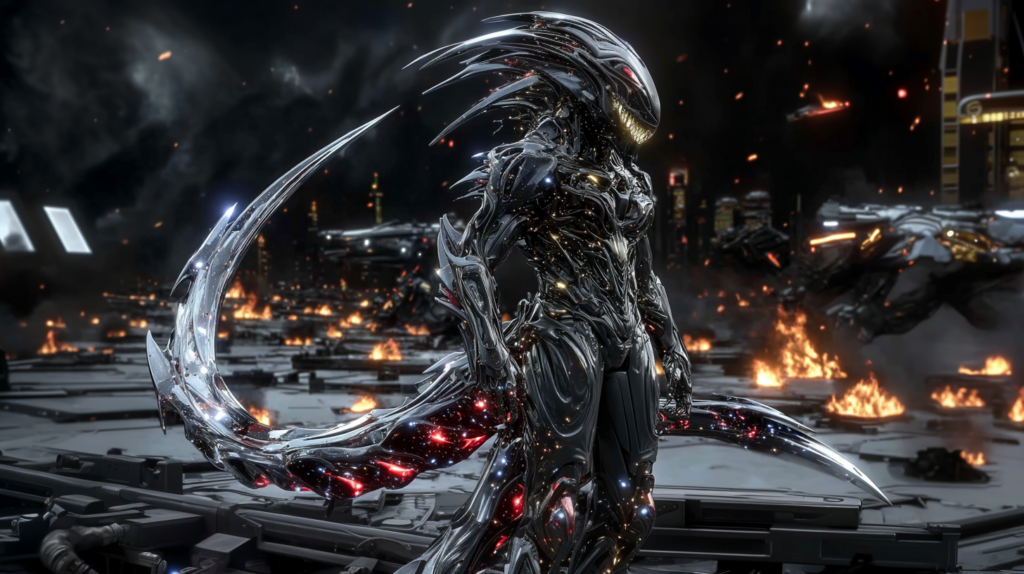
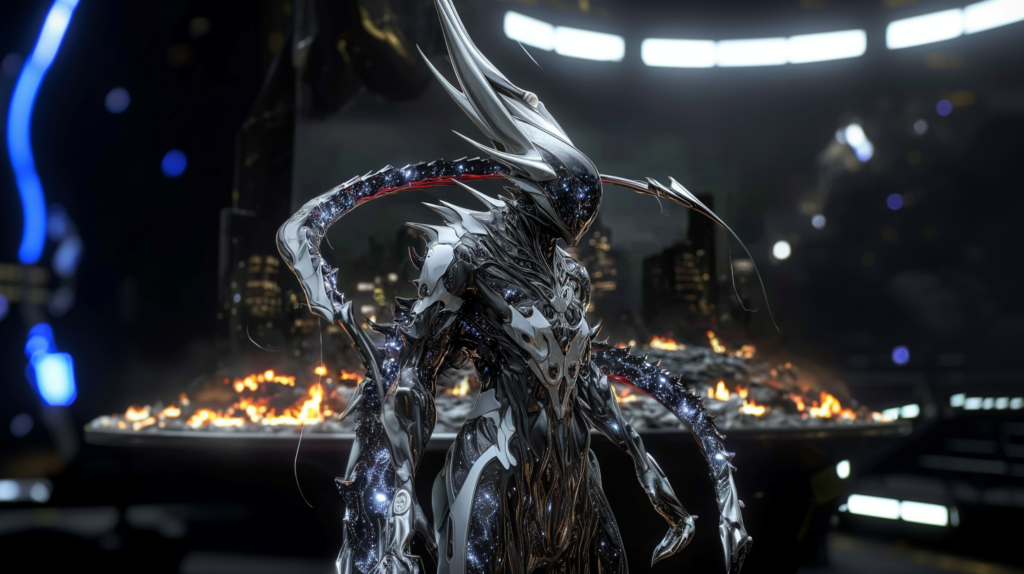
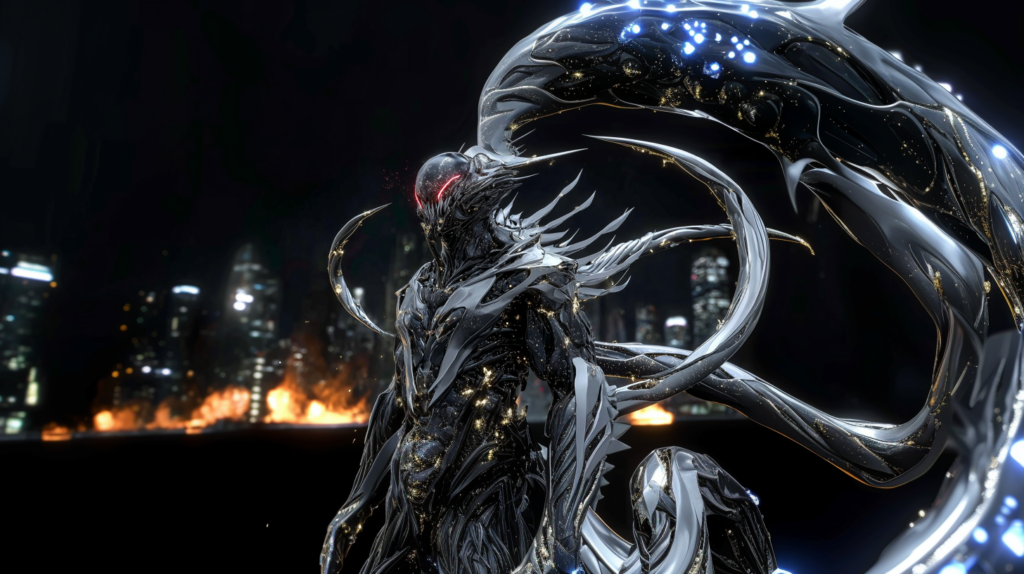
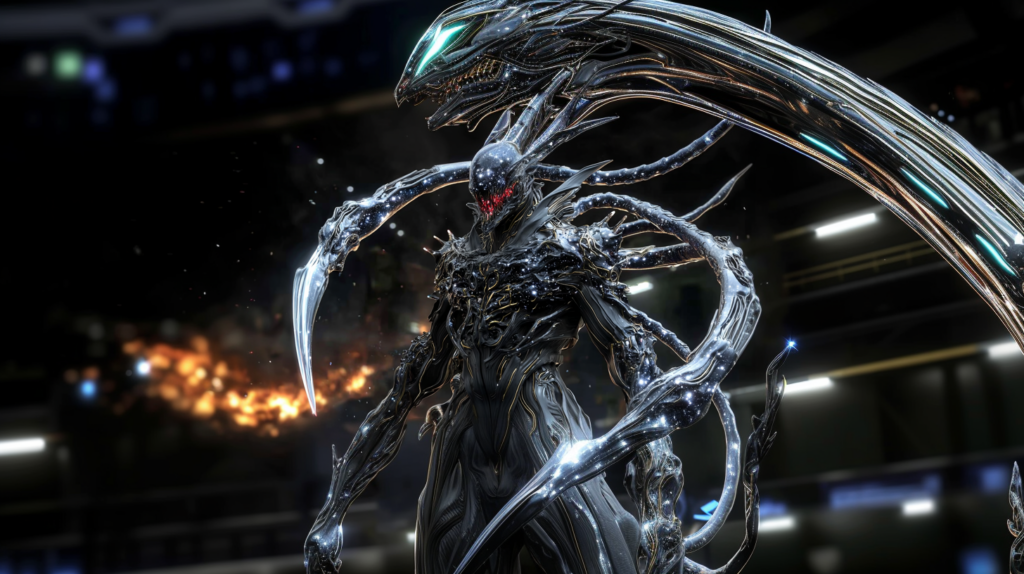
The first sign was not sound, nor light, nor any physical symptom that could be filed into a report. It was the sensation of the sky in the most literal sense becoming a verdict, darker than black in the way ink is darker than black, darker than black in the way an unasked question is darker than any answer. Clouds did not gather. Weather did not shift. The atmosphere did not “turn.” Instead, the ceiling of reality developed hairline cracks the way a window begins to fail before it actually breaks—tiny pale fractures that refused to obey perspective, because they were not inside the world so much as pressed against it from the outside. People stared upward and felt something in their chest become smaller, as if the part of them that believed in tomorrow had been rewritten into a footnote.
Above Canada—over the long spine of the Rockies, over the wide prairie breath, over the stitched highways and the frozen lakes and the suburban grids that pretended order was the same thing as protection—the Sovereigns of the Nullzenith stood. “Stood” was the closest word the human tongue could offer, but it was an insult to what was happening. Their posture was not an action in the world. It was a posture imposed upon the world, a colossal stillness that made the planet feel like it had become an object placed beneath four silent judges who were not judging morality, not judging intent, but judging the right of anything to continue being legible.
There were four silhouettes, each shaped enough to be recognized and yet wrong enough to make recognition feel like a mistake. They carried themselves like knight-figures, but not knights born of culture or history—knights born of domination as a principle of creation, domination as an idea that had learned to wear armor. Their bodies were black-chrome and silver-laced, braided with blade-edges and crescent arcs that curled from their frames like scythe-limbs sharpened into elegance. Along their plating, embedded points of cold starlight glimmered as if xenocosmologies had been trapped under lacquer. Where eyes should have been, red wounds burned—glows that did not illuminate anything but still made every watcher feel seen, catalogued, and weighed.
And their weight was not merely heavy. Weight, as a human idea, failed to survive in their vicinity without collapsing into metaphor. Even a single Planck-length sliver of their material—flesh, metal, or whatever impossible substance lived between those categories—exceeded a Reinhardt cardinal quantity of kilograms, and the word “kilogram” itself started to feel like a toy-word, a cup meant for water being asked to hold an ocean of metamathematics and refusal. Their weapons shared the same absurdity: a Planck-length of edge, barrel, or internal frame carried mass beyond the necessity of weight, beyond the dignity of counting, beyond any stable relationship between measure and meaning. It was not that they were large. It was that they made largeness irrelevant, the way an eclipse makes the word “bright” feel like an inadequate memory.
They did not descend. They did not arrive with spectacle. They were simply there, and the planet’s rules reacted the way a frightened body reacts to an infection: tightening, trembling, trying to isolate what it could not understand. Somewhere, instruments tried to read them. Somewhere, satellites watched the upper sky and returned images that looked normal until you noticed the pixels around the Sovereigns were not missing, not glitched, but politely refusing to describe what they were aimed at. Somewhere, an algorithm designed to model storms and pressure systems returned a blank field, not an error message, but a quiet surrender.
Below them, fear began to rise—not as an emotion inside individuals, but as a substance in the nation itself. Fear became an atmosphere of meaning, a taste in the mouth, a tremor in the joints, a creeping awareness that the world had been demoted. People in Toronto felt their apartment walls become less convincing. People in Vancouver found themselves checking locks they already knew were useless. People in Montréal stared at their own hands and had the sudden, nauseating certainty that skin was an agreement, and agreements could be revoked.
The Sovereigns absorbed it with silent efficiency.
They did not harvest fear the way a predator hunts. They did not perform violence to make terror bloom. They simply allowed the country to perceive them, and perception did the rest. The dread that rose from millions of lives—dread for children, for lovers, for routines, for all the small fragile rituals humans use to pretend their lives are anchored—drifted upward and went somewhere, into the Sovereigns’ presence, into their plated cavities where embedded starlight flickered like digestion. It was not that they fed on fear as a crude appetite. It was worse than that. Fear was being converted into permission. Fear was becoming the solvent that loosened reality’s screws.
The first hunter to die did not die heroically. There was no last stand. There was only a dispatch log that cut off mid-sentence and a mouth that remained open as if the body had forgotten how to finish an exhale. The Boreal Watch—Canada’s hidden lattice of wardens, breach-hunters, and suggslogic technicians—had existed for generations, buried beneath courts, beneath police departments, beneath intelligence agencies, beneath the polite skin of the nation. They had fought what the public called “accidents” and “tragedies” and “unexplained disappearances.” They had contained things that could not be named without inviting them closer. They were the reason so many anomalies had stayed local, the reason the world still looked like itself on most days.
On the morning of the Nullzenith, the Boreal Watch’s methods became quaint.
In Ottawa, in a bunker that had no official address and no public funding trail, an operator named Keenan Larke watched screens fill with new kinds of warning. Not alarms in the usual sense—no flashing red boxes that promised solutions if you acted quickly enough. These warnings read like a bureaucratic confession of helplessness. Narrative continuity degradation. Local causality noncompliance. Probability collapsing toward zero. He stared at the words and felt, for the first time in his career, the sickening sense that the world’s ledger had stopped balancing, that the rules he had used as tools were no longer obligated to behave.
He lifted a hand to call a field team, and his fingers hesitated above the console because his body already knew the truth his mind hadn’t accepted yet. A field team implied a field. A mission implied a destination. A plan implied the continued existence of stable premises. Above them, the Sovereigns made all of that feel like someone trying to argue with the ocean.
Still, orders went out. Not because they would help, but because humans keep moving even when motion is meaningless.
The first deployment was to Toronto. A breach had opened near the waterfront—not a clean rupture with edges that could be measured, but a Transhierarchical Rift, the kind of wound that did not lead to another place so much as lead to a refusal of place itself. The Watch called it a rift because the old word “paradox” had stopped being useful; it was too mild, too playful, too academic. This was contradiction given modality, contradiction given appetite, contradiction given the authority to edit what had previously been stable.
The team arrived in armored vans reinforced with warding plates and suggslogic seals etched so tight they looked like bruises on metal. They stepped out into streets that still looked like streets and yet felt staged, like the city had become a set meant to convince reality it was still in charge. The team leader—Sable Wren, a woman whose face always looked like she had already accepted the worst outcome—stood near the rift and felt the hair on her arms rise, not from cold, but from the sensation of being observed by something that did not need eyes.
The rift pulsed. Not like a heartbeat. Like an administrative action. Like a stamp being pressed onto paperwork.
Then the first Colossus crawled out.
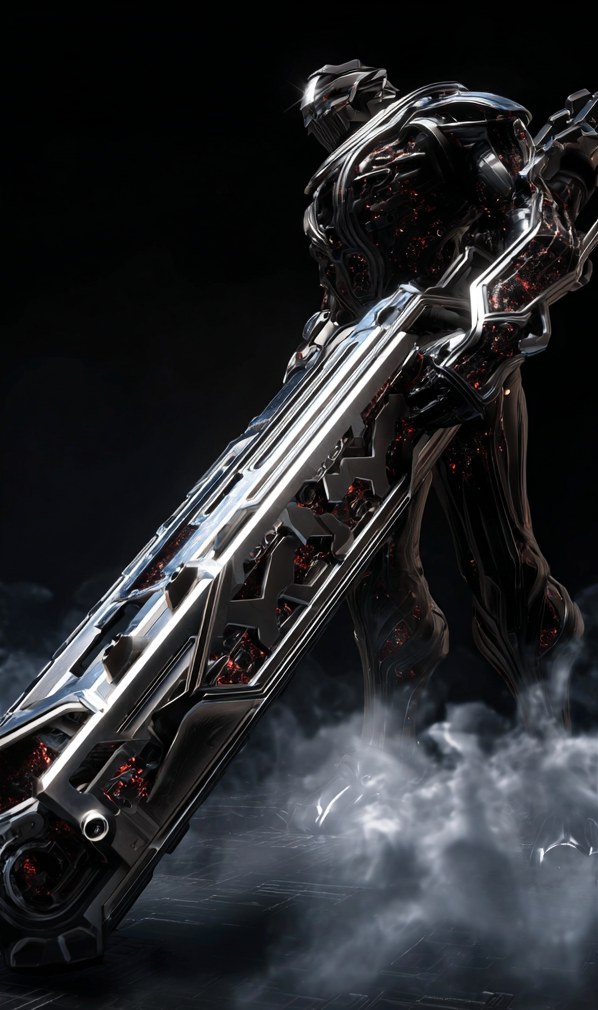
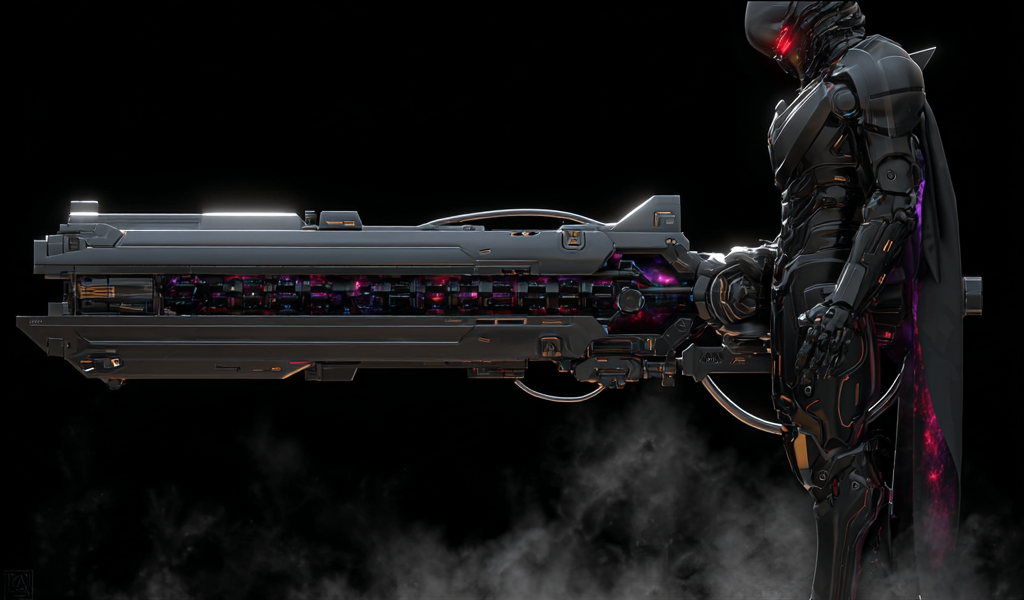
It emerged in pieces that did not obey sequence. An armored hand appeared, then an elbow, then a shoulder, then a torso that was too large for the street and yet fit because the street itself had begun to renegotiate its dimensions into nonsense. The Colossus rose to over three hundred meters, a towering knight-shape whose silhouette mocked the idea of humanity by imitating it. Its plating was black-chrome veined with internal ember-flecks like smoldering coal trapped under glass. Its head was smooth and brutal, a visor-line burning with red, as if the concept of an eye had been simplified into a wound.
In its grip it carried an impossible weapon—part blade, part cannon, part execution instrument. The weapon’s internal channels glowed with starfield purples and cold nebula blues, as though a slice of night had been compressed into a barrel. Even a Planck-length of that weapon’s frame exceeded a Reinhardt cardinal of kilograms, and yet the Colossus lifted it with the casual inevitablisma of something that did not regard weight as an argument. A Planck-length of the Colossus itself carried the same impossible mass, as if it had been forged out of condensed refusal, as if heaviness had been rewritten into a principle of domination rather than a number.
Sable’s team raised their seals. They did not speak aloud what the Colossus could do. They did not have the luxury of analysis as performance. Their minds ran calculations like prayers, their bodies moving on training, their suggslogic reaching for the only tactic that ever worked: define the threat, trap the definition, then remove what has been defined.
Sable threw a grid of sigils onto the asphalt. Lines snapped into place, forming a geometric net meant to seize the Colossus’s narrative string, to hold it still long enough for containment. For a fraction of a breath, the net shimmered, bright as a mathematical conviction.
The Colossus stepped through it as if stepping through fog.
Sable felt the failure not as surprise but as humiliation. The net had tried to grab a definition. The Colossus did not possess one. It was a spawned error, an entity extruded from the Sovereigns’ presence, and the Sovereigns themselves did not need to move. They did not need to aim. Their mere proximity had birthed an army of contradictions, and those contradictions were now walking across Canada like a new kind of weather.
The Colossus lifted its weapon and brought it down.
The street did not split. It ceased along a diagonal line so clean it looked like the world had been edited with a blade made of certainty. Buildings along that line did not crumble. Their right to remain coherent was revoked. Glass turned to powder. Concrete became sand. Steel reverted into raw ore and then into something less, something that could not remember being part of civilization. People inside those buildings did not scream long, because screaming required continuity, and continuity had just been taken.
Sable moved sideways, not fast, not heroic, but with the precise discipline of a person stepping around a machine that had malfunctioned. Her suggslogic flared, not as a flashy spell but as refusal made practical. She attempted to anchor herself to something deeper than panic, deeper than bodily survival, to the cold principle that you do not offer your posture as worship.
Above Canada, the Sovereigns watched.
They did not lean closer. They did not raise a hand. And yet the terror rose anyway, thickening as people realized what they were witnessing. When the first Colossus appeared on live feeds, when shaky phone videos captured a three-hundred-meter silhouette carving a city block into absence, the nation’s fear surged like a tide. Not everyone saw the feeds. Not everyone believed them. But belief was not required. The dread moved through culture like a virus, and the Sovereigns drank it with silent efficiency.
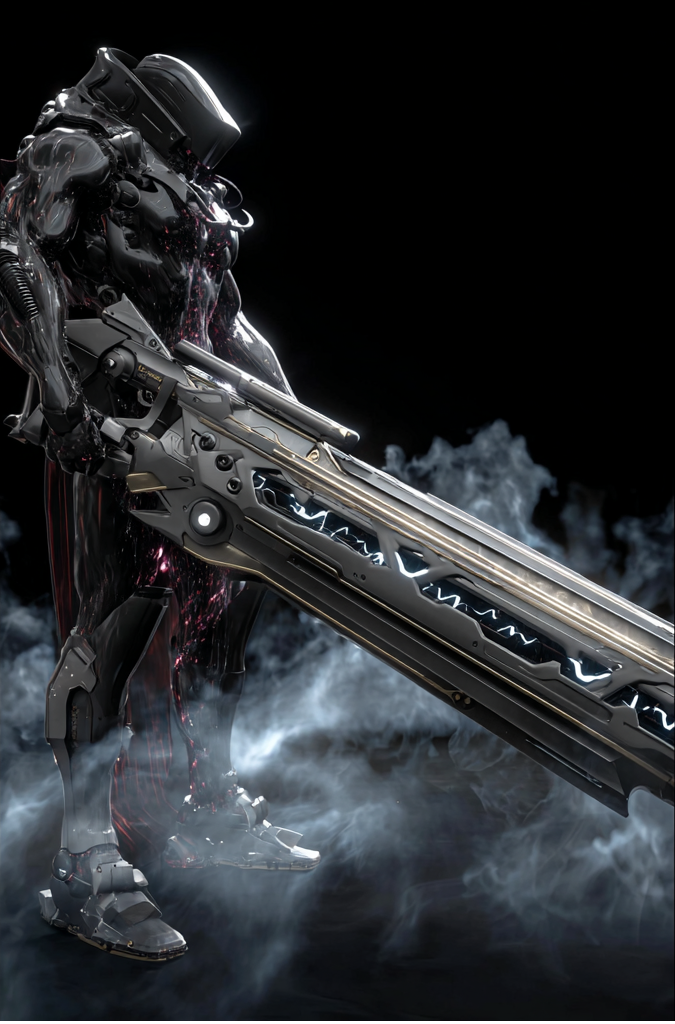
In Calgary, a second rift opened near the Bow River, and a second Colossus emerged—this one carrying a weapon like a monolithic gun-spear, its barrel lined with internal lights that flickered like a cosmic heartbeat. It fired once. The shot did not explode. It did not burn. It was not energy in the normal sense. It was an ontological edit that travelled in a straight line through buildings, through bridges, through the very notion of “there,” and anywhere it passed, reality became uncertain whether it had ever been permitted to exist. Entire blocks degraded into a gray, ash-like not-material that did not behave like debris; it behaved like erased meaning.
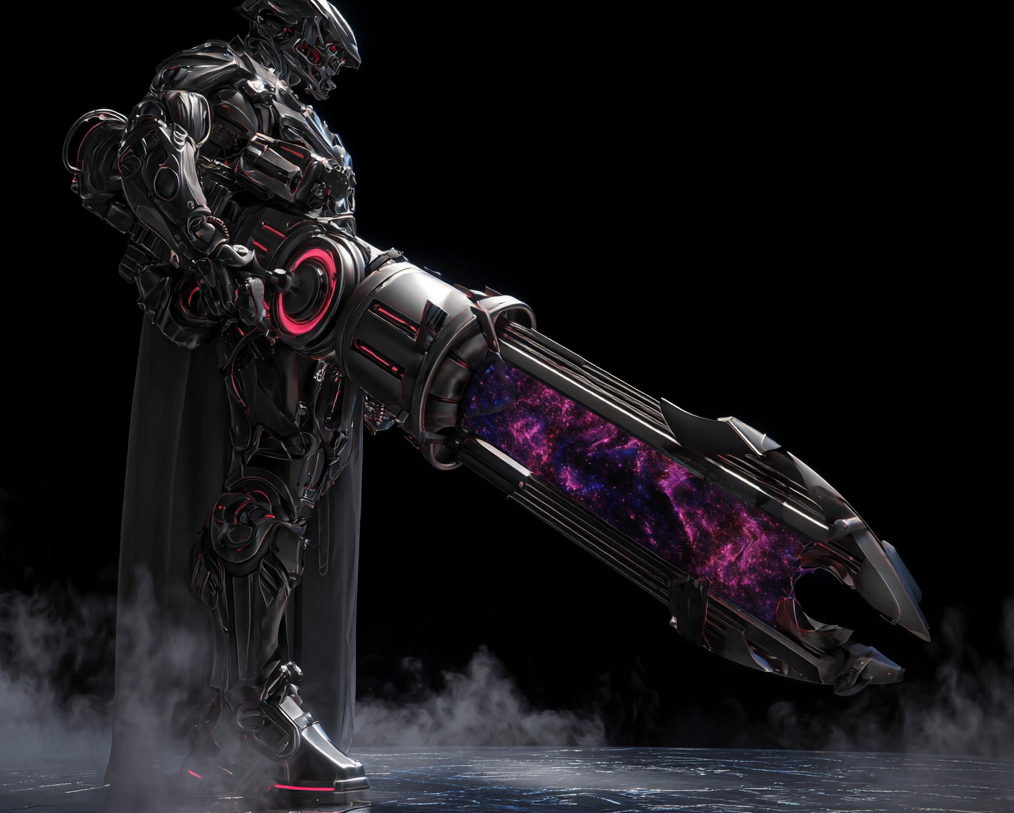
In Vancouver, a third Colossus rose from a rift near the port. Its armor shimmered with embedded specks like trapped galaxies, and long crescent arcs curled from its shoulders like scythes. It stepped forward, and the water in the harbor began to behave incorrectly, not freezing, not boiling, but forgetting what it was supposed to be. Ships listed, not from waves, but from the world’s refusal to keep the concept of buoyancy stable. People on the docks fell to their knees because their balance inverted, their senses re-mapped, their instincts suddenly useless. They vomited into the pavement and tried to crawl away, but “away” had become a compromised word.
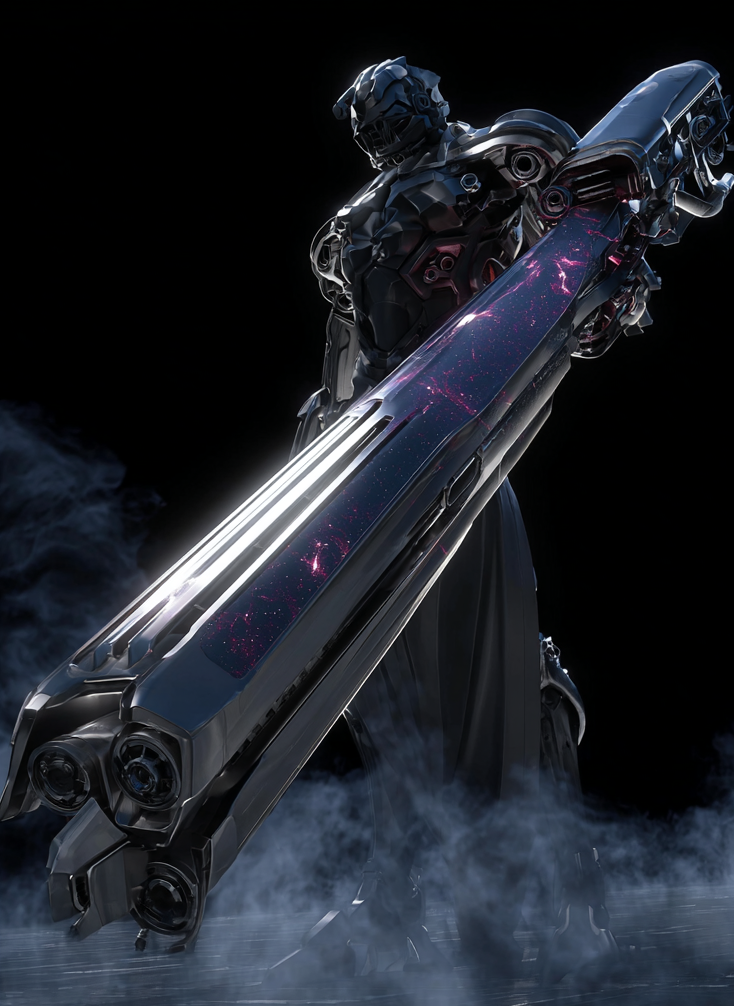
And in the far north, in places where the Boreal Watch had long operated with quiet pride—remote stations, tundra outposts, towns that depended on the mercy of distance—a fourth rift opened beneath a sky already cracked. A Colossus crawled out like a nightmare too tall to belong to any landscape. Its presence did not just threaten bodies. It threatened the premise that the north had ever been empty. It threatened the idea that remoteness was a shield.
The Boreal Watch began to collapse under the weight of simultaneous disasters, but weight was not the real problem. The real problem was that the Sovereigns did not obey the necessity of presence, grand meta-narrative, and change. They were not constrained by sequence. They did not have to “act.” Their existence operated as an ongoing amendment to reality’s constitution, and the amendment read: you are no longer guaranteed coherence.
Keenan Larke watched reports flood in, watched maps fill with red marks that were supposed to indicate “breach zones” but began to look like a rash across the country’s skin. He listened to field agents’ voices distort into static, not because the radios failed, but because language itself became less reliable near the rifts. He heard one team in Montréal say, calmly, that their shadows had begun to detach from their bodies and move independently, as if the concept of a person’s outline had become negotiable. He heard another team in Edmonton scream once, then cut off. He saw a camera feed from Halifax where a Colossus stood at the waterfront holding a blade-cannon that glowed with starfield purple, and behind it the sky fractured further, the cracks widening, as though the world was being unzipped.
In Toronto, Sable Wren tried to do what she had always done: make the impossible accountable. She deployed containment rods and etched plates, devices that turned suggslogic into geometry so precise it became an argument against chaos. The tools flared. The lines held for a blink. She felt the Colossus hesitate—not in fear, because fear required a stable self, but in the way an error becomes uncertain when confronted with a stronger contradiction. For an instant, hope tried to enter her chest like a lie.
Each distinct Colossus rose to over three hundred meters. In their grip, each carried an impossible weapon. Even a Planck-length of that weapon’s frame exceeded a Reinhardt cardinal of kilograms. A Planck-length of each distinct Colossus itself carried the same impossible mass. Fear was here.
Then, this Colossus’s weapon shifted, and the argument changed.
The blade came down again, and this time the cut did not target matter. It targeted definition. The geometry of Sable’s containment grid began to blur, not from motion, but from contradiction being forced into resolution. Her devices did not break theatrically. Their permission to function was unwritten. The plates became blank metal. The rods became ordinary rods. The runes faded like ink washed off paper.
Sable felt the world trying to pin her posture again, trying to fold her into submission, not as gravity but as worship. Her ribs hurt. Her lungs clenched. She refused to bow, not because refusal was noble, but because refusal was the only identity she had left.
Above, the Sovereigns’ embedded starlight glimmered.
The fear below intensified, and with it the rifts multiplied. This was not strategic escalation. It was ecology. The Sovereigns were not simply watchers. They were an environmental catastrophe wearing the silhouette of four knight-gods, and the Transhierarchical Rifts were their weather system, their digestive process, their way of letting the world tear itself open so the world could be consumed from within.
Across Canada, the public response fractured into familiar patterns—panic, denial, prayer, rage—but even those patterns began to fail. People tried to run and found streets re-mapped beneath their feet. People hid in basements and found the concept of “inside” becoming unreliable. People called loved ones and heard their own voices echo back delayed and wrong, as if the phone lines had become haunted by alternate versions of the conversation that never happened. Families huddled together in living rooms while the sky above their homes cracked, and every crack made their memories feel slightly less secure, like their lives were being edited in real time by an unseen bureaucrat.
The hunters did not get to be legends. They got to be examples.
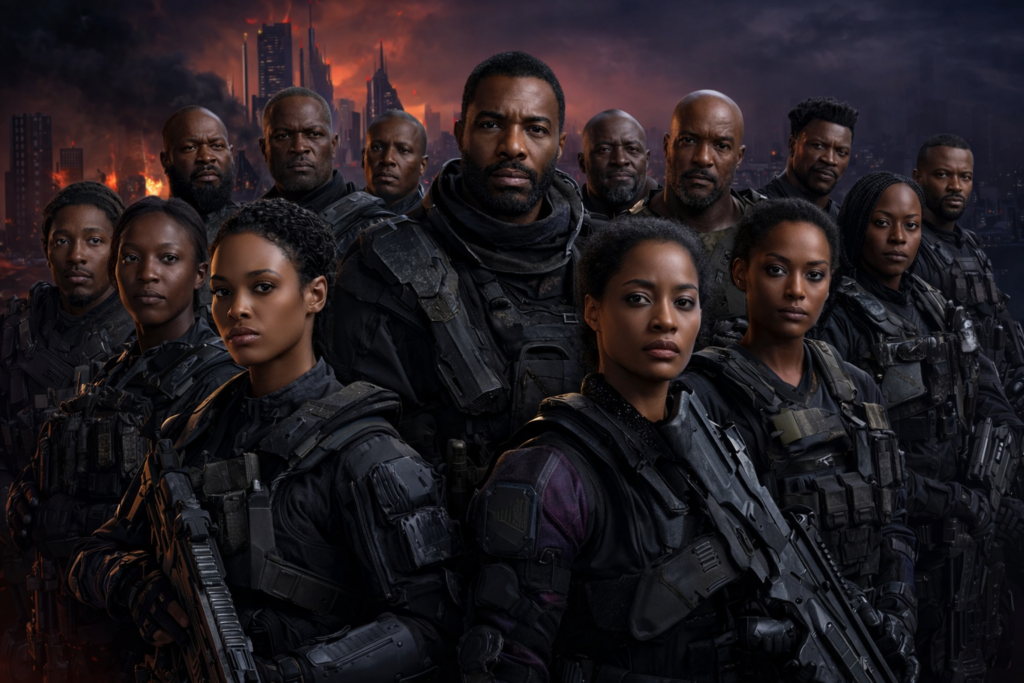
A Boreal Watch strike team attempted an aerial approach near Winnipeg, using a warded aircraft designed to withstand suggslogic turbulence. It rose into the cracked sky, and for a moment the feed was stable enough for Keenan to see the Sovereigns’ silhouettes more clearly—four colossal figures standing above the world like pillars in a cathedral built for monsters. Then the aircraft’s outline blurred. The craft did not explode. It was formatted. One moment it existed, the next it was a patch of empty sky where the idea of a vehicle had been politely removed. The team did not fall. Falling required a consistent relationship between up and down. They were simply gone, as if the world had decided it had never needed to account for them.
In Québec, a veteran hunter named Marceau attempted to anchor a rift with a suggslogic chain—an old technique, brutal and effective, where you bind an anomaly to your own narrative continuity and drag it into a defined cage by sheer refusal. He threw the chain, and for an instant it caught, glowing like molten script. Then the chain began to rewrite itself. The links turned into different links. The runes shifted into symbols that did not belong to any language he knew. Marceau’s face tightened as his own memories tried to slip, as if the rift had reached back through his personal history and begun to edit him into someone who had never learned this technique. He opened his mouth to shout, but the sound that came out was not his voice. It was a sterile, administrative tone, as if the universe itself had spoken through him to file his own removal. A moment later, he was no longer in the world.
Keenan watched the loss tally climb, and the numbers stopped feeling real. He watched the country’s defenders vanish by ones and by hundreds, and the emotional part of him tried to scream while the professional part of him tried to keep the ledger straight. But the ledger was the problem. The Sovereigns were turning fear into fuel, and fuel into more rifts, and rifts into more Colossi, and the process did not require intention in any human sense. Their intentions remained unknown because intention was a human category, and the Nullzenith did not seem obligated to share categories.
Somewhere in the chaos, the world’s oldest lies tried to reassert themselves. People clung to the belief that something would arrive to save them, that some higher authority would intervene, that reality would re-stabilize because it was supposed to. That belief did not merely fail. It became a resource for the Sovereigns to drink. Hope turned into terror when it was violated, and terror rose in richer waves than panic ever could. The Sovereigns glowed brighter, not with righteousness, not with victory, but with appetite.
By the point the third wave of Colossi began to spawn—three hundred meters tall, each one carrying a weapon whose Planck-length slivers exceeded Reinhardt cardinal kilograms, each one walking with the inevitablisma of an error that had been granted permission—Canada’s map began to lose its meaning. Provinces became irrelevant. Borders became decorative. The country was no longer a place with a government and laws. It was a feeding ground beneath four silent judges.
The sky fractured again, and the cracks widened until they looked less like damage and more like seams being pulled apart.
Keenan’s final report was not dramatic. It was not a speech. It was a quiet line typed into a system that was already dying. He wrote that containment had failed nationwide, that hunters were being removed faster than they could be replaced, that rifts were breeding like infections, that Colossi were turning cities into contradictions, that civilian reality was collapsing into unreliability, and that above it all the Sovereigns remained motionless, absorbing fear as if fear were the only currency that mattered.
He hit send.
The message did not deliver.
The screen flickered, not with an error code, but with a blankness that felt intentional. The bunker lights dimmed. The walls hummed as if the building itself had realized it did not have the right to remain hidden anymore. Keenan felt a pressure in his chest that was not physical and yet made his organs ache, a pressure like the world trying to fold him into worship. He gripped the edge of his console and refused to bow, not because he believed refusal would save him, but because he could not endure the humiliation of offering his spine.
Above Canada, the Sovereigns stood.
Below them, the rifts churned open like wounds refusing closure, pleased with themselves, pulsing as if the world’s suffering were a kind of music.
Across the country, hunters vanished by ones and by hundreds, erased, unwritten, removed with the sterile efficiency of a sentence disappearing when the page is deleted. Colossi continued to rise, each one a towering contradiction carrying impossible mass in every Planck-length of its existence, each one walking through streets and suburbs and wilderness with the same indifferent authority. People who survived did not survive because they were protected. They survived because the catastrophe had not finished using them yet.
And as Canada filled with dread, as the sky darkened beyond black and the cracks spread like a slow smile, the Sovereigns did not move to end it.
They did not move because they did not have to.
They were already consuming what mattered.
This chapter ends with the country still beneath them, still cracking, still feeding them, still losing its defenders in silence, with no Velvet in sight and no rescuers arriving, only the vast, unbearable certainty that the world had been demoted—and something higher had decided to watch it happen.