
Chapter 2 — Custody of Mornings
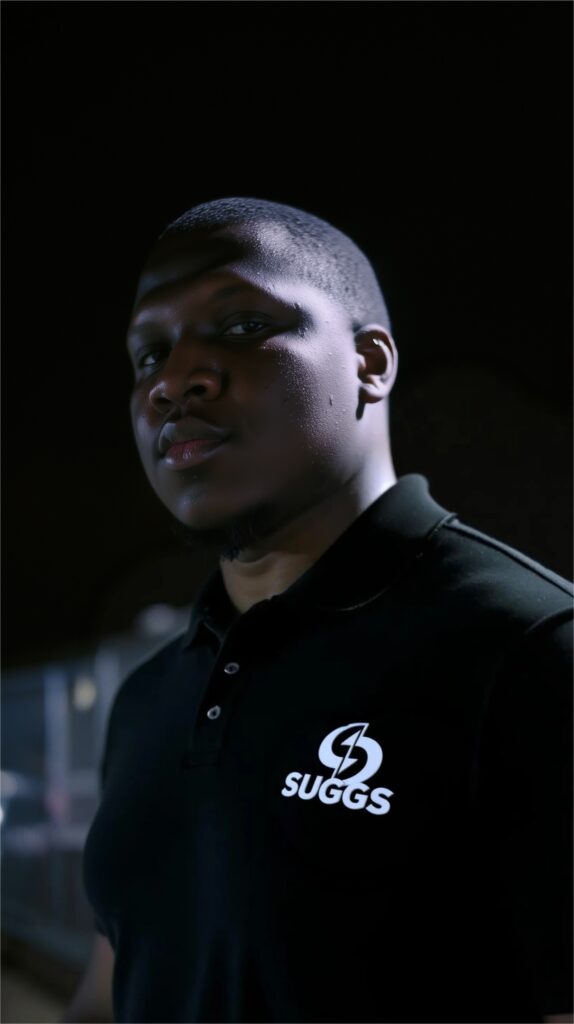
The week started with the radiator banging like it owed the building an apology. Draven stood at the sink, watching steam skate off a pot of oatmeal, phone buzzing against the counter with messages that stacked like unpaid tickets. Outside, the city was still dark enough to pretend it didn’t have to wake up yet. Inside, it was already late.
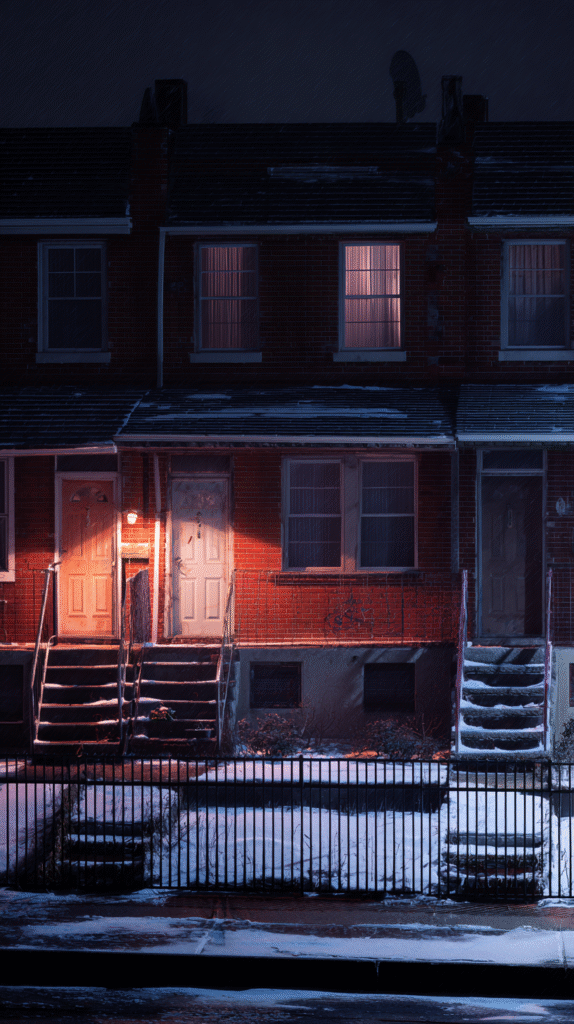
“Liora, coat,” he called. “Nyra, shoes by the door, not in the door. Eira, text me your bus time again. I don’t trust what you said last night.”
Liora slid in first, small and stubborn in a pink puffer, the hood up like armor. Ten years old and already unmatched at ignoring an adult while standing right in front of him. “You put cinnamon?” she asked, looking at the pot like it might answer wrong.

“Of course,” Draven said. “I don’t start fights this early.”
Nyra followed, taller, twelve, the focused kind of quiet that could end a room’s noise without moving a hand. “Mom says we’re with her Wednesday to Friday,” she announced. “And also she says ‘tell your father the school called about the art project due Thursday.’”

“Good morning to you too,” Draven said. “Eat.”
Eira ducked in last, sixteen and already wearing the world like a coat she was tailoring herself. “Bus at 7:18,” she said, thumbs still working her phone. “And I need the permission slip signed for the lab. If they don’t have it by tomorrow, they’ll put me in study hall with kids who think gravity is a suggestion.”
“Hand it here,” Draven said, taking the paper and fishing for a pen that always vanished when anything official needed ink.
Asantewaa called right as bowls hit the table. Her voice was smooth and edged at once, the kind of voice you learn to trust and fear in the same breath. “Morning,” she said. “Liora needs her blue binder back and Nyra left her sketchbook here. And I need you to send twenty for the class trip because the school ‘found’ another fee they forgot to remember.”
“It’s Monday,” Draven said. “Let me deposit first.”
“And it’s their school,” Asantewaa said. “So deposit now.”
He looked at the three girls lined up like a future he’d never planned well enough to deserve. “I’ll Zelle you before homeroom.”
“You’ll Zelle me before you put coffee in your mouth,” she said, then softened. “Make sure Liora wears the thermal. She’ll say she’s fine. She won’t be.”
Eira coughed. “Hatshepsut says hi,” she said lightly, not looking up. “Also she says your half of the glasses cost is due and ‘no, vision isn’t a luxury.’ Her words.”
Draven shut his eyes briefly. “Tell your mother I will bring the money and my sincere belief in seeing.”
Eira smiled without amusement. “She loves sincerity almost as much as receipts.”
They ate, and the apartment’s noises settled into the old rhythm: spoons against ceramic, the hum of a refrigerator that had learned to be honest about what it couldn’t do, the building’s pipes whispering arguments through the wall. Liora ate slow and watchful, Nyra drew something tiny on the napkin and hid it when he leaned, and Eira checked the clock like she was rewriting it.
“Listen,” Draven said, “after school I’m at the shop on Laurens till five, then I’m downtown for two hours. Ronan’s around if there’s a thing. Lucraen’s on his good behavior week, so if that fails, call me twice. Not once. Twice.”
“Seren?” Liora asked, mild as weather. “Can she walk us if you’re late?”
“Seren’s not a walking-home-from-school type,” Draven said. “She’s a talk-later-about-how-it-went type.”
Asantewaa texted again: a photo of two neatly packed bookbags she’d prepped on her side of town, the caption reading, Do not let them switch bags or God Himself won’t find Nyra’s rubrics. He sent back a heart and the promised twenty and got a thumbs-up so quick it felt prepared.
The first fight of the morning arrived at the door like it had the key. Liora refused the hat, Nyra refused the idea that refusal was a family value, Eira refused to mediate. “It flattens my hair,” Liora said.
“It keeps your head,” Draven said. He tugged the hat on himself and made a face, then tugged it onto her with the same expression. She grinned despite herself and didn’t take it off.
They split at the sidewalk like a river hitting old brick. Eira peeled east to her bus stop, earbuds in, already half in some other city she was building out of music and ambition. The younger two walked with Draven toward the elementary, the sky gray enough to promise nothing and still deliver it.
“Dad,” Nyra said, matching his pace with a seriousness that always made him think of bills. “If I win the art contest, that means they put my piece in the lobby, right?”
“That’s what a lobby is for,” Draven said.
“Okay,” she said, almost casual. “Then I’m doing a city. But not how people always do cities. I want it to look like it’s remembering something.”
Liora kicked a frozen puddle and frowned when it didn’t break. “Make it remember to buy me hot chips.”
At the school gates the mothers took their places like chess pieces that had learned the board’s grudges. Asantewaa was already there, hair wrapped in gold and eyes that said we are not starting anything here but we will not forget anything either. She hugged Liora first, then Nyra, then gave Draven that brief, necessary look people who still care give each other: a nod in a storm.
“You sent the twenty,” she said.
“I’m a man of feats,” he said.
“Be a man of thirty next time,” she said. “The school found a fee for the fee.”
He laughed, then didn’t. “We’re good?”
“We’re surviving,” she said. “The girls are good. That’s what good is now.”
They watched the kids disappear into the building’s mouth, swallowed clean. Asantewaa touched Draven’s sleeve. “Did you sleep Saturday?” she asked softly. “You look like when you don’t.”
He thought of the alley and the shoe and the sound that hadn’t been gratitude. “Enough,” he lied.
“Don’t bring your wars into their homework,” she said. “They’ll carry it even when you don’t hand it to them.”
“I know,” he said, and meant both the knowing and the failing that waited behind it.
He hit the corner store for coffee and change for the laundromat, nodded at the owner who’d been in that window longer than the lottery posters, and stepped back into air that had learned to be thin. Ronan called as he crossed to Laurens, voice clipped like always. “We got a situation,” his brother said. “Guy at the barbershop says a customer swears his mirrors been showing folks who ain’t in the chairs. He wants a discount. They want a priest.”
“We’re staying grounded this week,” Draven said. “Tell him to wipe the glass and stop letting the nephew play YouTube sermons during cuts.”
Ronan snorted. “And the other thing.”
“What other thing?”
“The dude who owes the dude who swears the mirrors are haunted,” Ronan said. “He’s ducking. We gotta unduck him before somebody with worse manners tries.”
“Later,” Draven said. “I’m at the shop first. The girls need stability more than the corner needs an exorcism.”
By noon he was elbow-deep in busted screens and dead batteries at the phone repair shop, hands moving automatic while his head wrote lists: lunch account balances, parent-teacher conferences, rent due, payments he hated and payments he needed, shoes in spring, the word summer like a rumor he didn’t dare say out loud in January. Customers came in with cracked glass and left with small reliefs; every fix felt like proof reality could be persuaded to stop breaking if you paid it enough attention.
Hatshepsut called at two. She didn’t clear her throat with small talk. “I need you on Thursday for Eira’s counseling intake,” she said. “It’s mandatory for juniors now after last year’s thing. I already know you’re busy. Be busy there.”
“I’ll be there,” Draven said. “How’s she—”
“She’s fine,” Hatshepsut said, which in her language meant she is strong enough to carry what will try to carry her. “Sign the lab slip?”
“Done.”
“Good. I’ll text you the new insurance link. They ‘updated’ the portal, which is their way of saying prepare your entire afternoon.”
He wanted to tell her she looked tired the last time, that he did too, that the city made parents into something between a shield and a ledger. “Thank you,” he said instead.
After work he cut across to Eira’s bus stop and waited with her in the thin evening. She came off the bus laughing at something on her phone, then saw him and stopped like she’d remembered the cost of joy.
“Hey,” she said. “Lab slip saved me.”
“Good,” he said. “How was gravity?”
“Still there,” she said. “Rude as ever.”
They walked in a silence that wasn’t empty. “Mom says Thursday,” she added. “You’ll come?”
“I said yes before she did,” he said. “You okay with it?”
“I’m okay with everything as long as nobody says ‘mindfulness’ like it’s a cure,” she said. “Can you be the parent who laughs at the right parts?”
“I can try,” he said. “I can also bring snacks.”
“That’s better than mindfulness,” she said, and they both smiled like it hurt less to, together.
By the time he reached Asantewaa’s place to pick up the younger two, the sky had already made its decision to be night. The girls came out bundled and buzzing with stories that contradicted each other on purpose. Asantewaa leaned in the doorway, watching, the porch light haloing her like a commandment.
“Wednesday through Friday,” she said. “You bring them back with all the same parts I sent.”
“I’ll count fingers twice,” he said.
She studied him a beat longer. “You look steadier,” she said. “Keep it.”
He nodded. “You too.”
Home again, the small apartment filled with the business of survival: homework sheets that smelled like ink and exhaustion, dinner that was more assembling than cooking, a group chat with three different tones of sarcasm, baths that turned the mirror to fog, the long process of moving small bodies from vertical to horizontal without losing their trust in the dark. When the door finally clicked on their room, Draven sat at the table with Eira and the stack of forms that had grown teeth.
“You ever think adulthood is just harvesting signatures?” she asked.
“It’s harvesting signatures and pretending that feels like control,” he said.
They looked at each other like conspirators. The heat rattled once more, farther away now, like the building was tired of fighting its own age. Draven signed where the arrows told him, checked the boxes that asked whether a parent was present and willing, and left the ones blank that wanted a promise he couldn’t make.
He didn’t sleep early. He waited for the messages that meant the girls were sliding into their different dreams safely: one from Asantewaa saying they’re out, one from Eira sending a playlist that translated to I’m trying, one from Ronan with a time for tomorrow’s street errand that would keep somebody out of a worse man’s orbit. He answered each and let the apartment quiet itself.
On the stove, the pot he’d washed still steamed a little. The window held a slice of a city that had learned to wear its scars like weather. Draven stood there and let the night be only a night, no more, no less. He’d earned that small mercy. The other war could wait a chapter.