
Chapter 3 — The House That Forgot Its Rooms
The call came just after sunset, when the sky over West Baltimore looked like a bruise trying to heal wrong. Draven was at the shop closing the register when Lucraen walked in, face pale in the neon. “Rowhouse on Etting,” he said, not wasting breath. “Tenant says the upstairs keeps moving and her grandmother’s voice won’t stop coming from a wall that used to be a window.”
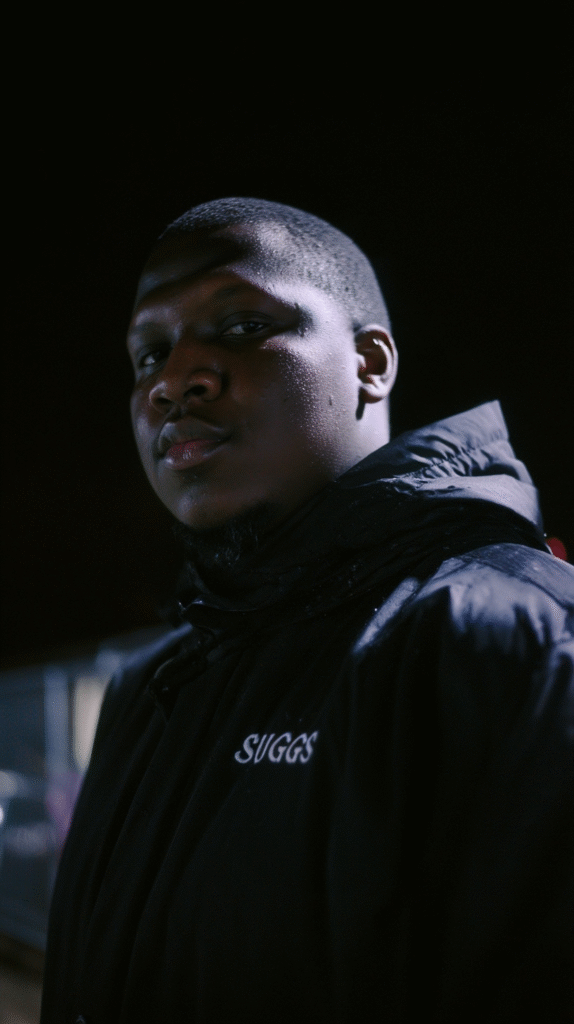
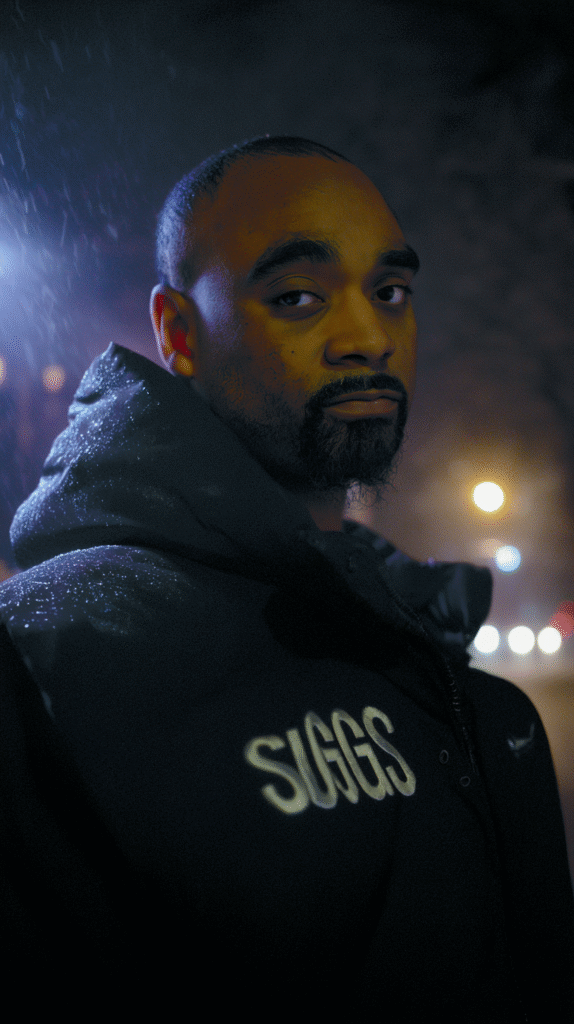

Ronan looked up from the back, zipped his coat, and didn’t ask why. Seren waited outside like she’d known the address before they did, the chain at her throat catching a sickly streetlight halo. They moved as one toward a house that seemed to be breathing through the painted brick.

The tenant was a middle-aged woman with the kind of spine you only grow by surviving three different decades of the same city. “I ain’t leaving,” she said at the door. “They’ll let the developer shove a camera in here before the morning.” Her hands shook just enough to prove the rest of her body was lying. “It started after the rain on Friday. Sometimes the stairs go up twice. Sometimes I hear my grandmother calling my name with teeth.”
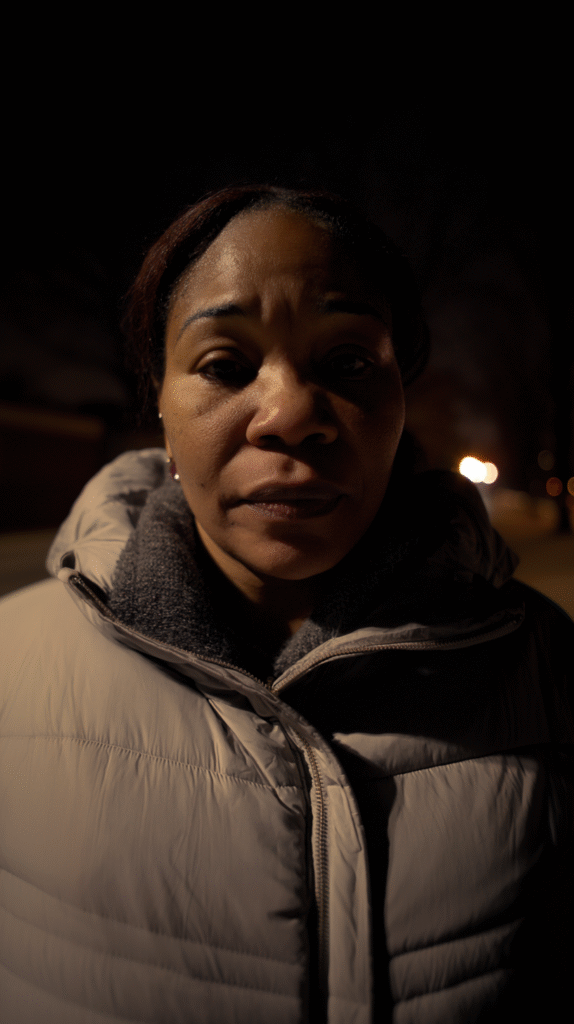
“You live alone?” Draven asked, stepping in.
“My nephew’s asleep in the back,” she said. “I put him to bed before the house decided it was a suggestion.”
They climbed the first set of stairs and found a second set stacked on top like a copied line in a bad blueprint. Ronan took out his chalk and drew a thin mark on the banister. When they climbed again, the mark was already there waiting—older, dusty, as if it had been living here long enough to learn manners.
“Loops,” Lucraen said under his breath. “But flavored.”
“Flavored how?” Seren asked.
“Like the building is trying to remember being a different building,” he said. “Maybe three different ones.”
The bedroom at the top—one of the tops—had a wall that hummed. Not from pipes, not from wiring. It hummed the way a throat hums when it wants to be a song. “Delilah,” the wall said, the syllables close to loving. The tenant flinched like a child and didn’t allow herself to be one. “That’s my grandmother’s name for me,” she said. “From when I was small and still allowed to be wrong.”
Ronan set a small glass of water on the floorboards. The surface rippled in a steady pulse, not air, not footsteps, something like a heartbeat only the house would admit to. “Whatever this is,” he said, “it ain’t pretending to be an angel.”
Draven pressed his palm to the humming plaster. It was warm, the way a person gets right before a fever asks for permission. “Grandma,” he said quietly. “If that’s you, tell us the street you lived on when you were twenty.”
A pause like a room thinking. “D—” the wall said, and then the sound folded in on itself and came out wrong: “Deeeeeeeee—” A long, low string that made the water cup shake.
Seren leaned in and listened with more than ears. “It can’t finish the word,” she said. “It’s borrowing the mouth and choking on the memory.”
Lucraen moved to the closet. It was deeper than closets should be, coats hanging in obedient lines that never ended. He reached an arm between heavy wool and dragged it back fast. “Cold,” he hissed. “Not winter cold—old cold.”
They tried the door at the far end of the hall. It opened on a hallway that was also a kitchen that was also the same hall, time stapled to itself until it forgot what came first. Ronan scowled. “Hate this kind,” he said. “Won’t kill you quick. Just wears you down until you agree with it.”
Draven found the nephew asleep in the back room, curled around a stuffed bear that had been stitched too many times. The boy’s breath came slow, even, unfussed by the house’s choices. Draven rested a hand on the kid’s shoulder and felt the first clean thing he’d touched since stepping inside. “We get him out first,” he said.
They devised a plan the way men do when they don’t trust plans: rope tied around Draven’s waist, Ronan anchoring at the stairwell, Seren mapping exits with a chalk the house hadn’t seen before, Lucraen murmuring under his breath the old words that weren’t prayers but still asked nicely. “In and out,” Ronan said. “No conversations with the architecture.”
Draven lifted the boy and started toward the steps. As he reached the turn, the stairwell narrowed, like an apology that had changed its mind. “Ronan,” he said, hands tightening around sleeping weight. The rope pulled taut. Ronan braced and swore. Seren slid her blade into the seam where plaster had chosen to lie, pried just enough space for a shoulder and a promise.
He made it to the first landing. The second landing wasn’t there. The stairs leaned sideways as if someone had told them gravity was a rumor. Draven shifted his weight, kept the boy’s head from knocking, and kept walking because stopping is how houses win. Somewhere above, the wall turned its hum into a tune: De—la—la—la—la— The wrongness tilted the air.
They reached the door that should have been the front door. It opened onto a backyard fifty years old: burned-out grill, dead grass, chain-link fence that remembered a family picnic. The boy stirred. “Mama?” he whispered to the bear. Draven stepped back fast and the door obliged, turning the backyard into a pantry three feet deep and full of canned peaches that tasted like 1973.
“Left,” Lucraen said sharply, eyes gone far. “Don’t ask. Just left.”
They went left into a narrow hall that became the kitchen that became the hall again and then, blessedly, the actual front room, with the tenant clutching her own elbows the way people hold themselves closed. “You got him,” she said, relief and terror clapping hands in her voice. “Thank you. Thank you.”
The house disagreed. The floor lurched, just a notch, not enough to throw, enough to suggest. The wall behind the tenant murmured Delilah again, softer now, almost tender, the sound a net.
“Go,” Draven said. He pressed the boy into Lucraen’s arms and nodded toward the sidewalk. “Out. Don’t look back. Keep your eyes on the corner store sign and count to forty. If the street tries to repeat, shout.”
Lucraen and the tenant slipped out. Ronan’s grip on the rope eased, then tightened again for nothing. “You feel that?” he asked.
“Yeah,” Draven said. “It wants a trade.”
Seren had moved back to the humming wall, mask tilted like a question. “Talk to me,” she said, voice low as rain in an alley. “What do you want besides pretending?”
The wall surprised them—it sighed, an old woman’s sound made young again by suffering. “Stay,” it coaxed. “Delilah, stay.”
“That ain’t your grandchild,” Ronan snapped. “That’s a rent notice with manners.”
The temperature dropped below two-hundred eighty degrees in a single breath. Frost drew a clean white line across the baseboard, and the humming became a voice that had given up on imitation. It spoke in syllables that didn’t fit the mouth, a cascade of almost-names that brushed Draven’s ear like threats practicing their handwriting. He felt it reaching for his memory, for any open latch.
“We’re done,” Draven said, throat raw. “We did what we could. We got the kid.”
“Not enough,” Seren said, not moving from the wall. “It hasn’t eaten yet. Hunger holds grudges.”
They tried to lead the house back into sense with the tricks that had worked other times: mirrors turned face-down, cabinets opened and left open, salt at thresholds, old jazz on low, the kind of music that convinces buildings they are still in conversation with their history. The house listened like a teenager in trouble and then did what it wanted.
From outside, Lucraen shouted something—a warning that sounded like prayer. The front door refused to be a door again. Draven kicked it once, twice, the wood thudding like a heartbeat behind a rib. Ronan put his shoulder in and swore in that language men use when they want the world to remember they were here. The door finally opened, but it opened into the upstairs hall, the same doormat waiting like a pointed joke.
They lost ten minutes like loose change. When they found the right door again and spilled out onto the stoop, Lucraen’s face told them before his mouth could: the tenant was gone. The boy clung to him, crying in that hiccupping way grief teaches children to breathe. “She was right here,” he said. “Right here. I blinked when the streetlight flickered, and she was—” He couldn’t say the word missing so he said nothing.
Seren scanned the block. Nothing moved. Even the stray cat refused to be a witness. She looked back at the house and, for just a second, the façade didn’t match the rooms inside—a ghost of a different front, a different stoop, washed across the brick like an old photograph fading in water. “It took her where it takes the extra stairs,” she said, almost to herself.
Draven crouched to the boy’s level. “I’m sorry,” he said, because lying would bruise something delicate that still needed to grow. “We’re going to keep trying. Tonight we keep you safe, and tomorrow—”
“Tomorrow we come back and the house knows all our names,” Ronan said, voice flat. “It ain’t a fight we can win tonight.”
They walked the boy two blocks to an aunt’s, answered questions with the kind of half-truths that keep a family from tearing itself in half, and left with a promise that tasted like failure. On the corner, under a light that didn’t flicker because it didn’t care enough to try, the four of them stood and watched the rowhouse refuse to be guilty.
“How many losses make a wall?” Lucraen asked, repeating his question from the alley like it might work better if it had a different sky.
“Depends who’s counting,” Seren said. “Houses count in bodies.”
Draven looked at his phone. Three messages from Liora—pictures of chalk patterns on the kitchen floor. One from Nyra—an unfinished sketch that looked suspiciously like the Etting Street stoop. One from Eira—Made it home. Don’t forget Thursday. He typed replies with hands that didn’t feel like his. “We failed,” he said softly, to the night, to the city, to whatever listened. “And we’re going to fail again. But we’re still here.”
Ronan flicked away an unlit cigarette. “Being here ain’t the same as winning.”
“No,” Draven said. “But it’s what we got.” He turned toward the block that had learned to hum under its own breath. “Tomorrow we try to make the house say her name right.”